
⚠️ Youth Back Pain Isn’t Normal: What Parents of Athletes Need to Know
- Laura Baden
- Aug 18, 2025
- 3 min read

When adults complain of back pain, we often chalk it up to long workdays or aging. But when a 12- or 15-year-old athlete complains of back pain? That’s a red flag.
Unfortunately, many parents hear “it’s just growing pains” or assume back pain is part of sports. The truth is this: back pain in youth athletes is never normal—and it should never be ignored.
🚨 Why Back Pain in Young Athletes Deserves Attention
Studies estimate that 10–15% of young athletes experience low back pain, and the number increases with age and sport intensity. Unlike adults, kids rarely experience back pain from sitting too long or general wear and tear—it usually signals something more serious:
Spondylolysis (stress fracture of the spine) – common in sports that require repeated extension (gymnastics, football linemen, volleyball, cheer).
Disc irritation – rare in youth, but can occur in high-load sports or after a fall.
Poor core control & movement mechanics – weak deep core stabilizers and glutes force the low back to absorb impact.
Overtraining or specialization – year-round play without proper rest increases cumulative stress on the spine.
Unlike shin splints or muscle strains, these aren’t injuries an athlete can just “play through.”
🏋️♂️ The Role of Growth Spurts
During adolescence, bones grow faster than muscles can adapt. This can lead to:
Tight hip flexors and hamstrings pulling on the pelvis and spine
Changes in posture and mechanics during running, jumping, or squatting
A temporary loss of coordination, leaving the spine more vulnerable
This is why ages 11–16 are such a high-risk window for back pain and overuse injuries.
✅ Prevention Starts with Movement Quality
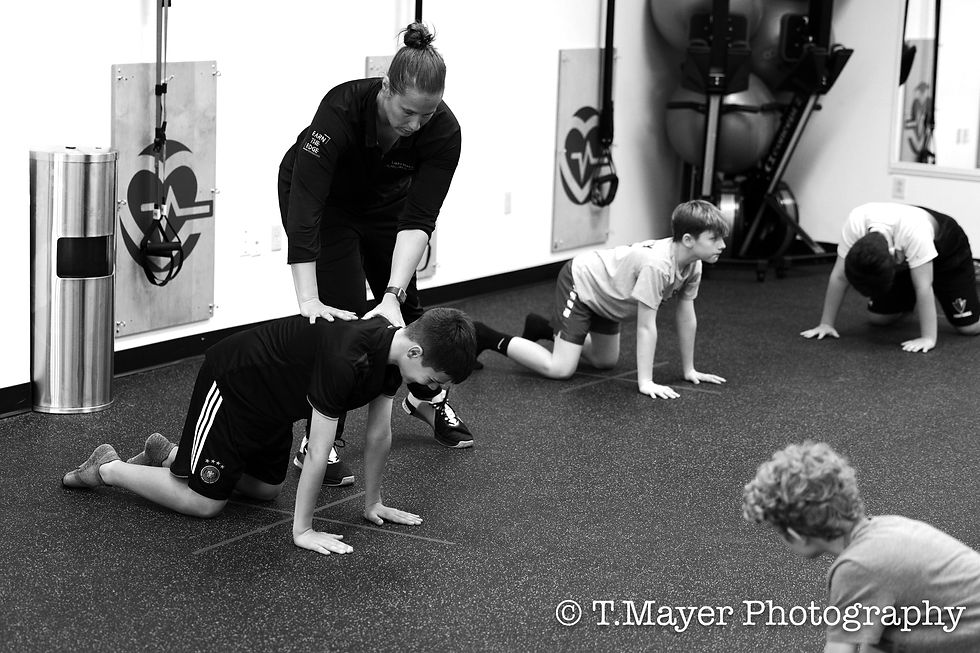
At Earn the Edge Performance, we focus on movement before performance. For youth athletes, that means:

Core stabilization training – building deep abdominal and spinal control, not just crunches or sit-ups.
Glute and hip strengthening – taking stress off the lumbar spine during running and jumping.
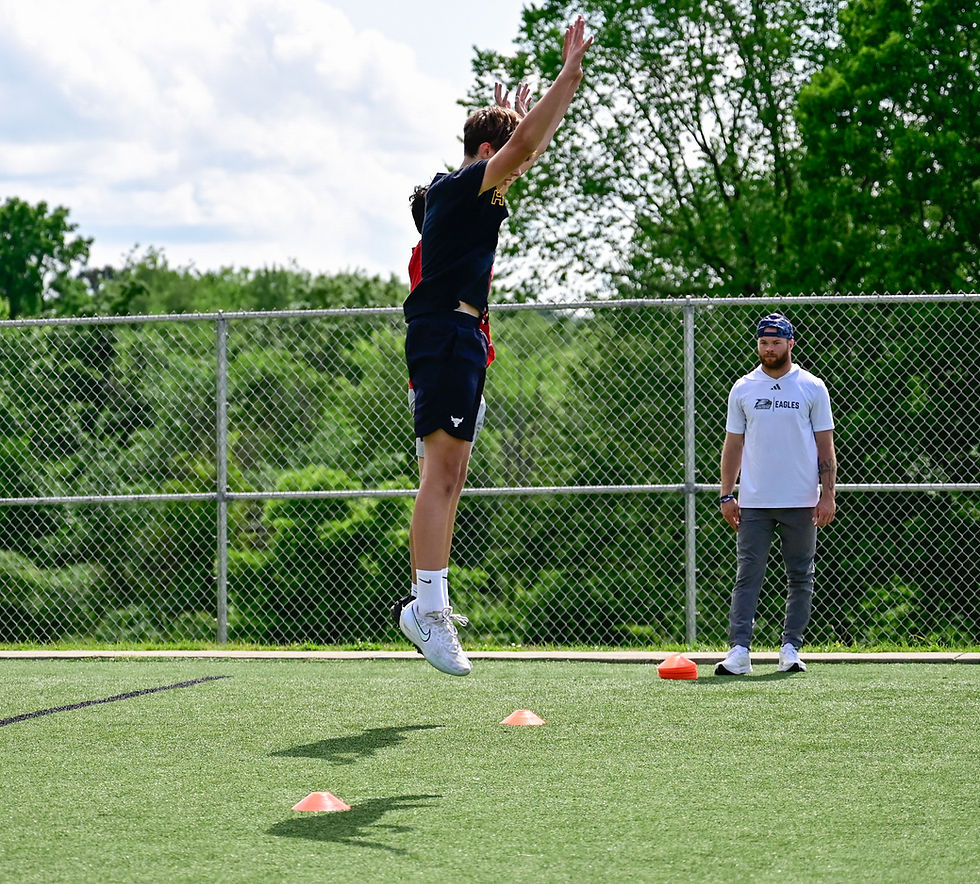
Proper lifting and landing mechanics – teaching athletes how to hinge, squat, and land with control.
Load management – balancing sports, strength training, and recovery to prevent overload.
The goal isn’t just to treat back pain—it’s to prevent it from ever showing up.
🧠 How We’re Different
At Earn the Edge, we aren’t just coaches—we’re sports medicine professionals trusted by Pittsburgh’s top orthopedic physicians, including the medical staffs of the Penguins and Steelers.
That means:
We recognize the difference between “normal soreness” and red-flag pain.
We screen movement patterns to identify risk factors before injury happens.
We know when to intervene with corrective exercise vs. when to refer to a physician.
Most gyms can make your athlete sweat. Few can keep your athlete healthy while they grow.
👀 When Parents Should Take Action
If your athlete:
Complains of back pain that lasts more than a few days
Experiences pain during sport-specific movements (serving in volleyball, tackling in football, tumbling in cheer)
Has night pain that wakes them from sleep
Walks or runs with noticeable stiffness or altered mechanics
👉 It’s time to get them evaluated.
Early intervention can mean the difference between a quick corrective program and months of rehab.
📢 Stay Ahead: Join the Earn the Edge Academy
We’re dedicated to keeping Pittsburgh athletes healthy, strong, and confident on the field and off. That’s why we’re launching the Earn the Edge Academy—a resource for parents to get:
📩 Event alerts (like our upcoming ACL Risk Screening & Prevention Event)
📩 Injury prevention strategies for youth athletes
📩 Evidence-based performance tips for growing bodies
Don’t wait for pain to sideline your athlete. Invest in movement quality, injury prevention, and long-term success.
Final Word
Youth back pain is not normal—and it’s not something to wait on. By focusing on movement quality, core stability, and proper training progression, we can protect young athletes before pain ever starts.
At Earn the Edge Performance, we’re not just building better athletes—we’re building healthier, more resilient ones.


Comments